
A region visited for its water
Twelve provinces, ten million people, and five great lakes that absorb nearly all the outdoor tourism.
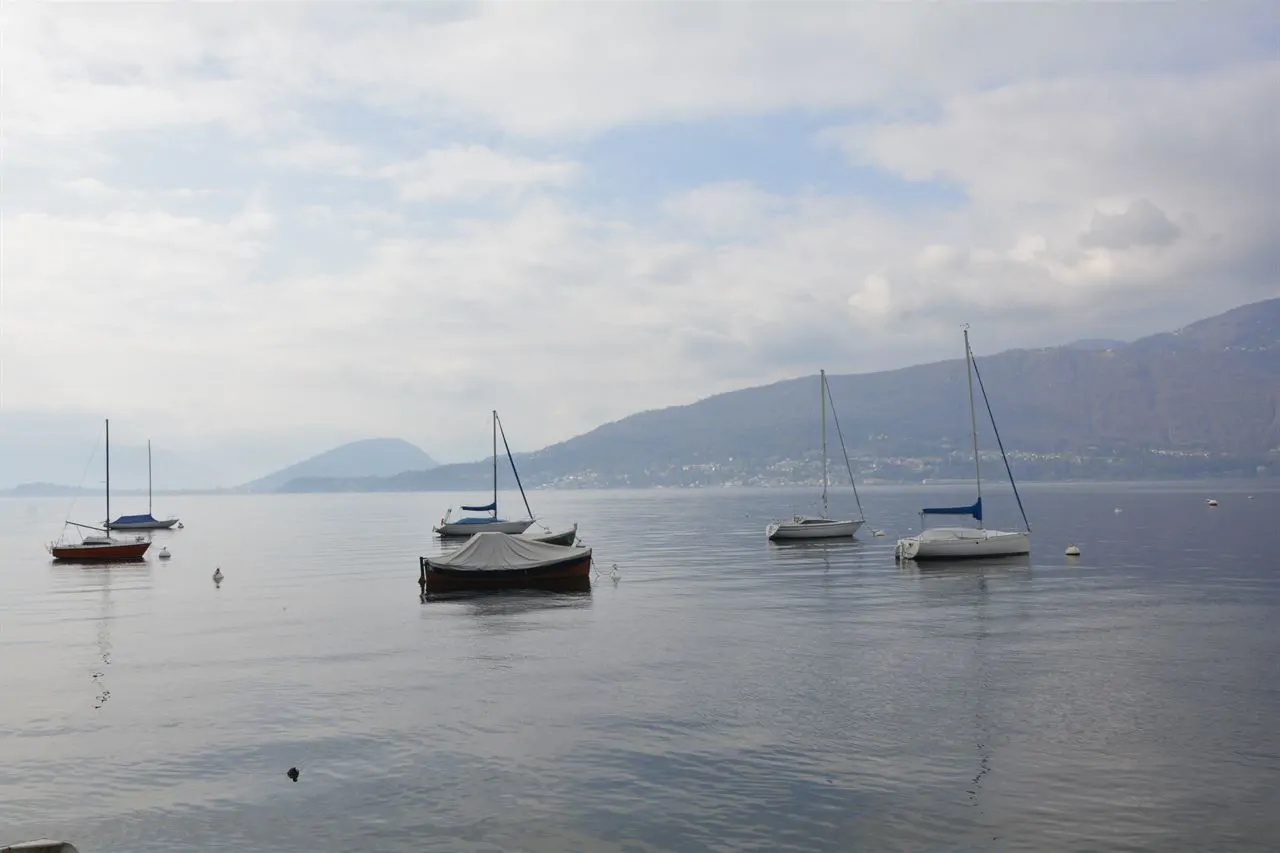
Lombardy has a reputation that does visitors no favours: factories, motorways, fog. All true of part of the plain, and completely false of the other half of the region. North of the road that links Milan to Brescia begins a band of lakes and mountains running from the Ticino to the Adige, and that is where people go on holiday.
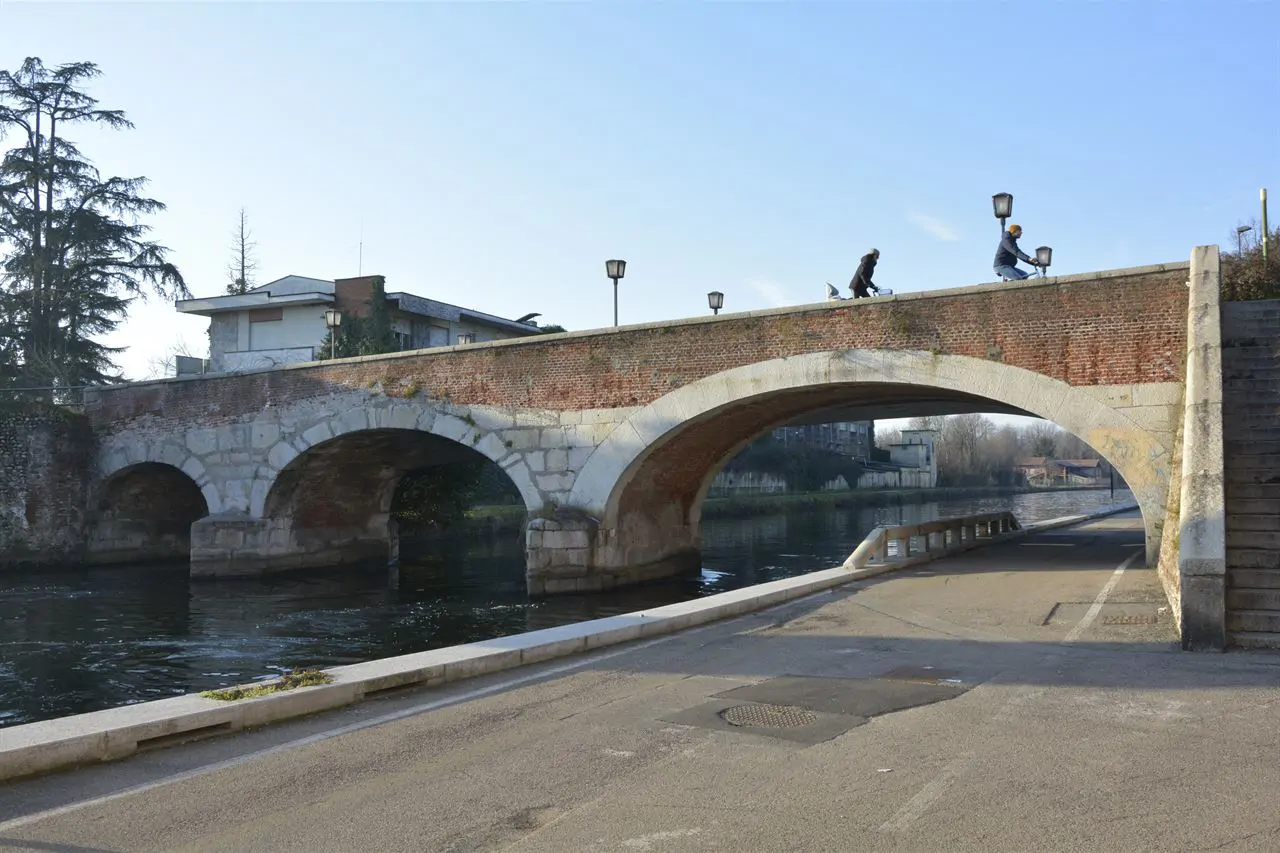
Three bands
At the bottom is the plain, cut by rivers and canals, with art towns nobody expects: Mantua, Cremona, Pavia, Lodi. In the middle is the belt of hills and lakes, where most of the campsites are. Above are the real Alps, with glaciers, national parks and valleys climbing to the Swiss border.
Where the campsites are
Garda has more than anywhere else: the Brescia shore, from Desenzano to Limone, is an almost unbroken line of large sites with pools, serviced beaches and access to the water. On Maggiore and Como they are smaller, often cut into the slope in terraces. Iseo and Idro are the quietest. In the Valtellina and the Valcamonica you stop to walk, and many stay open through the winter.
You do not see Lombardy from the motorways. You see it thirty kilometres away from them.
What people here say to those who only pass through
How to plan it
Distances are short and the roads are good, but the traffic around Milan is real: do not cross the city, keep well around it. From a Garda campsite you reach Verona, Brescia and Mantua in under an hour; from one on Como you get into Milan by train in forty minutes.
Summer on the plain is hot and humid; on the lakes it is more bearable, and in the mountains the evenings are pleasant. In August Garda is full of Germans and Dutch, and you book months ahead.